Best Student Loans Interest Rates
Welcome, students! Are you overwhelmed by the thought of taking out a student loan to fund your education? Don’t worry, we’ve got you covered. One of the most important factors to consider when taking out a student loan is the interest rate. Finding the best student loans interest rates can save you money in the long run and make your loan more manageable. Let’s explore some of the top student loan options with competitive interest rates to help you make an informed decision.
Understanding Student Loan Interest Rates
Student loan interest rates are the additional amount you pay on top of the principal loan amount borrowed. This rate is determined by the lender and can vary depending on the type of loan you have, whether it’s federal or private, the market conditions, and your credit score. It is important to understand how interest rates work and how they can affect your overall loan repayment.
When you take out a student loan, the lender charges you interest on the amount you borrowed. This interest is calculated as a percentage of the total loan amount and is typically added to your monthly payments. The higher the interest rate, the more you will end up paying over the life of the loan. It’s crucial to shop around for the best interest rates available to you, as even a small percentage difference can make a significant impact on your finances.
There are two main types of student loans: federal and private. Federal student loans typically have fixed interest rates, meaning the rate stays the same throughout the life of the loan. This provides borrowers with stability and predictability in their monthly payments. Private student loans, on the other hand, may have fixed or variable interest rates. Variable interest rates can fluctuate based on market conditions, which can lead to unpredictable payment amounts.
Your credit score also plays a significant role in determining the interest rate you qualify for. Lenders use your credit score to assess your creditworthiness and risk as a borrower. A higher credit score usually results in a lower interest rate, while a lower credit score may mean a higher interest rate or difficulty qualifying for a loan. It’s essential to maintain a good credit score by making timely payments and keeping your credit utilization low to potentially qualify for better interest rates.
Understanding how interest rates work is crucial when taking out a student loan. It’s essential to compare different loan options, shop around for the best rates, and consider factors such as fixed or variable rates, loan terms, and your credit score. By being informed and proactive in your loan decisions, you can potentially save money and make the loan repayment process more manageable.
Factors Affecting Student Loan Interest Rates
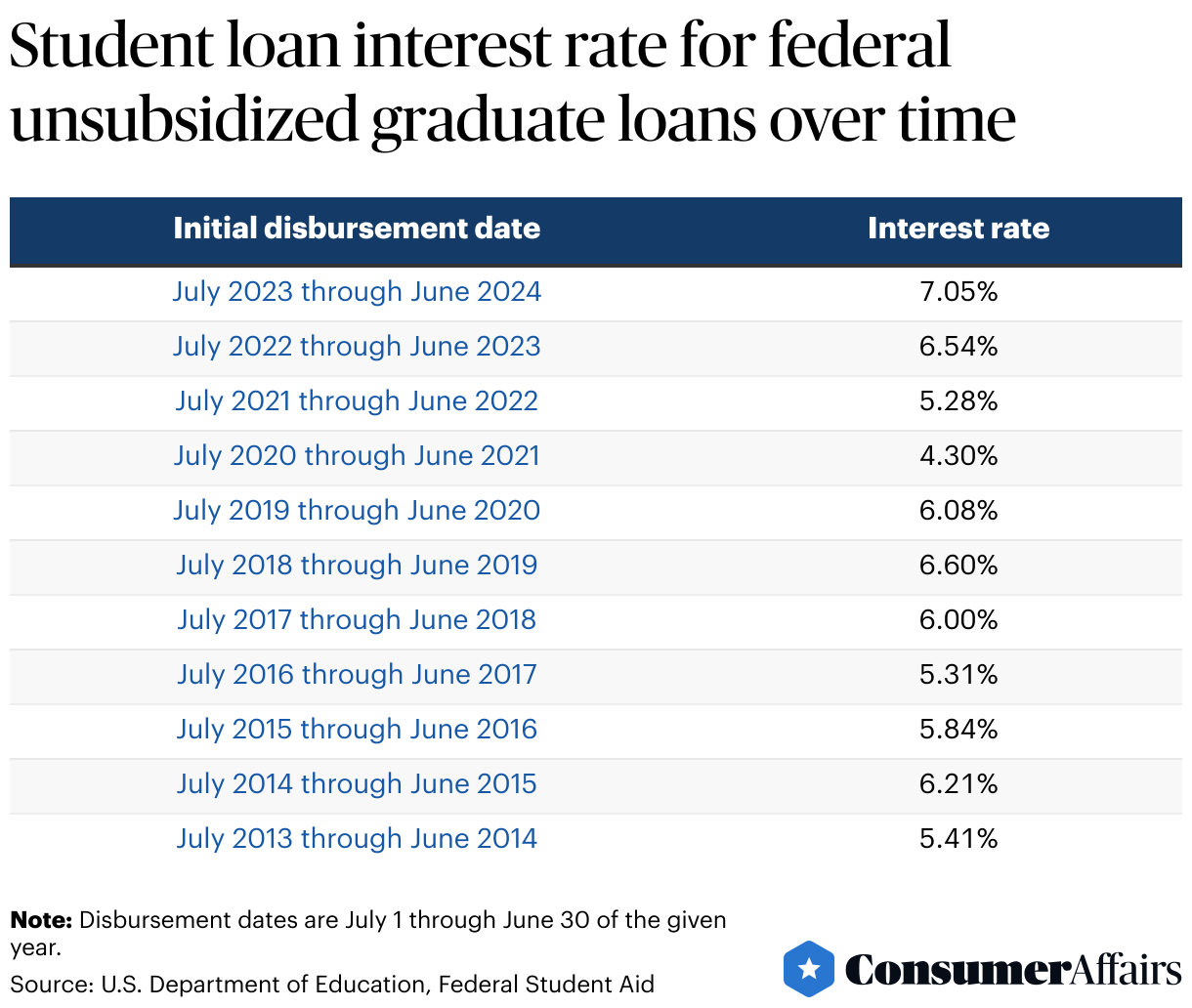
When it comes to student loans, the interest rate you are offered can vary depending on several factors. One of the main factors affecting student loan interest rates is the type of loan you are applying for. Federal student loans typically have fixed interest rates that are set by the government, while private student loans often come with variable interest rates determined by the lender. The difference between fixed and variable rates is important because it can impact how much you will ultimately pay back over the life of the loan.
Another factor that can influence your student loan interest rate is your credit score. Lenders use your credit score to assess your creditworthiness and determine the level of risk they are taking on by lending you money. Generally, the better your credit score, the lower the interest rate you will be offered. If you have a high credit score, you may qualify for the lowest interest rates available, potentially saving you thousands of dollars over the life of the loan.
Your chosen field of study can also impact the interest rate you are offered on a student loan. Some lenders may offer lower interest rates to students pursuing degrees in high-demand fields, such as healthcare or technology, because they are more likely to secure well-paying jobs after graduation. On the other hand, students pursuing degrees in fields with less earning potential may be offered higher interest rates to offset the perceived risk of default.
The length of the repayment term can also affect your student loan interest rate. Generally, loans with shorter repayment terms come with lower interest rates, while loans with longer repayment terms may have higher rates. This is because lenders are taking on more risk with longer-term loans, as there is a longer period of time for something to go wrong with your ability to repay the loan. Therefore, it is essential to consider the trade-offs between a lower interest rate and a shorter repayment term when choosing a student loan.
Finally, economic conditions can play a significant role in determining student loan interest rates. During periods of economic growth, interest rates tend to rise, while during economic downturns, rates may fall. This means that if you are applying for a student loan during a time of economic uncertainty, you may be able to secure a lower interest rate than if you were applying during a period of economic stability. It is essential to keep an eye on economic trends and be prepared to act quickly to secure the best possible interest rate on your student loan.
How to Find the Best Student Loan Interest Rates
When it comes to finding the best student loan interest rates, there are a few key steps you can take to ensure you are getting the most favorable terms possible. Here are some tips to help you navigate the process:
1. Start by researching different lenders: One of the first things you should do when looking for student loan interest rates is to research the various lenders in the market. Different lenders offer different rates, so it’s important to compare multiple options to find the best deal. You can check out online resources, such as comparison websites, to see what rates different lenders are offering.
2. Consider federal loans: Federal student loans often have lower interest rates compared to private loans. If you qualify for federal financial aid, it may be worth exploring these options first before turning to private lenders. Federal loans also come with benefits such as income-driven repayment plans and loan forgiveness programs, which can be beneficial in the long run.
3. Talk to a financial aid advisor: When it comes to navigating the world of student loans, a financial aid advisor can be a valuable resource. These professionals can help you understand the different types of loans available, as well as provide guidance on how to secure the best interest rates. They can also help you fill out the Free Application for Federal Student Aid (FAFSA), which is necessary to qualify for federal financial aid.
4. Improve your credit score: Your credit score plays a significant role in determining the interest rate you will be offered on a loan. If you have a lower credit score, you may end up with a higher interest rate. To improve your credit score, focus on making on-time payments, keeping your credit utilization low, and avoiding taking on too much new debt. A better credit score can lead to lower interest rates on your student loans.
5. Consider a co-signer: If you have a limited credit history or a low credit score, you may want to consider having a co-signer on your loan. A co-signer is someone who agrees to take responsibility for the loan if you are unable to make payments. Having a co-signer with a strong credit history can help you secure a lower interest rate on your student loan.
By following these tips, you can increase your chances of finding the best student loan interest rates available to you. Remember to carefully review the terms and conditions of any loan offer before accepting it, and make sure to borrow only what you need to cover your educational expenses. With some research and careful planning, you can find a loan that meets your needs while also offering a competitive interest rate.
Comparing Different Student Loan Interest Rates
When it comes to student loans, interest rates play a significant role in determining the overall cost of borrowing money for your education. It is essential to compare different interest rates offered by various lenders to ensure that you are getting the best deal possible. Here are some factors to consider when comparing different student loan interest rates:
1. Fixed vs. Variable Rates: One of the first decisions you will need to make when comparing student loan interest rates is whether to choose a fixed or variable rate. Fixed rates remain the same throughout the life of the loan, providing stability and predictability in your monthly payments. On the other hand, variable rates can fluctuate over time, potentially leading to lower initial rates but also the risk of higher rates in the future. Consider your financial situation and risk tolerance before deciding which type of rate is right for you.
2. Annual Percentage Rate (APR): The APR is a more comprehensive measure of the cost of borrowing money than the interest rate alone. It takes into account the interest rate, fees, and other charges associated with the loan. When comparing student loan interest rates, make sure to look at the APR to get a better sense of the total cost of borrowing.
3. Loan Term: The term of the loan, or the amount of time you have to repay the loan, can also impact the overall cost of borrowing. Generally, loans with shorter terms have lower interest rates but higher monthly payments, while loans with longer terms have higher interest rates but lower monthly payments. Consider how long you plan to take to repay the loan when comparing interest rates.
4. Repayment Options: When comparing student loan interest rates, also consider the repayment options offered by different lenders. Some lenders offer incentives such as interest rate discounts for setting up automatic payments or for making on-time payments. Others may offer flexible repayment plans that allow you to customize your monthly payments based on your income. These repayment options can help you save money in the long run and make it easier to manage your student loan debt.
By considering these factors when comparing different student loan interest rates, you can make an informed decision that will save you money and help you achieve your educational goals without breaking the bank.
Tips for Managing Student Loan Interest Rates
Managing student loan interest rates can be overwhelming, especially for recent graduates who may be new to the world of personal finance. However, with some careful planning and strategic decision-making, it is possible to effectively manage your student loan interest rates. Here are some tips to help you navigate this process:
1. Make timely payments: One of the easiest ways to manage your student loan interest rates is to make timely payments. By paying off your loans on time, you can avoid accruing additional interest and potentially save money in the long run. Set up automatic payments to ensure you never miss a due date.
2. Consider refinancing: If you have high-interest rates on your student loans, consider refinancing them. Refinancing allows you to take out a new loan with a lower interest rate, which can save you money over the life of the loan. Just be sure to carefully compare rates and terms before making a decision.
3. Pay more than the minimum: If you are able, try to pay more than the minimum amount due on your student loans each month. By paying extra towards the principal balance, you can reduce the amount of interest that accrues over time and pay off your loans faster.
4. Stay informed: Stay up to date on changes in interest rates and loan terms. Keep an eye on your loan servicer’s website or set up alerts to be notified of any changes that may affect your loan. Being informed can help you make strategic decisions about managing your student loan interest rates.
5. Explore income-driven repayment plans: If you are struggling to make your student loan payments, consider exploring income-driven repayment plans. These plans adjust your monthly payments based on your income and family size, making them more manageable. While these plans may result in longer repayment terms and higher overall interest costs, they can provide relief in the short term.
By following these tips and staying proactive in managing your student loan interest rates, you can take control of your financial future and make progress towards paying off your loans. Remember, managing student loan interest rates is a journey, so be patient and stay focused on your long-term goals. With careful planning and diligence, you can successfully navigate the world of student loans and emerge with a stronger financial footing.