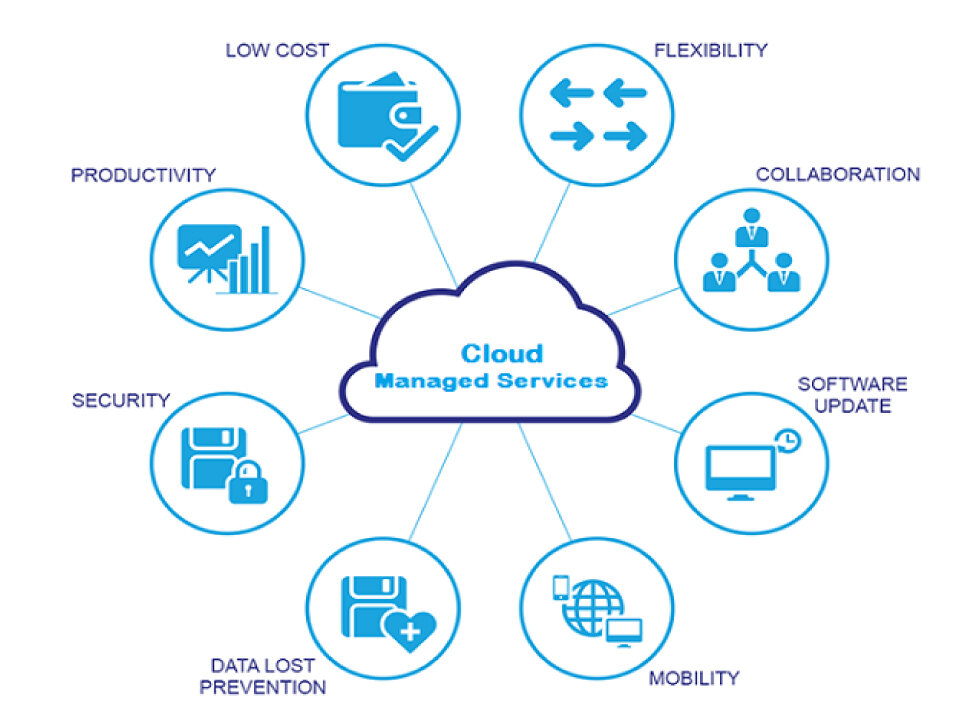
Welcome, fellow tech enthusiasts! Today, let’s dive into the world of maximizing efficiency through cloud-based mobile testing. As technology continues to advance at a rapid pace, it is crucial for businesses to stay ahead of the game by ensuring their mobile applications are running smoothly and effectively. Cloud-based testing offers a convenient and cost-effective solution for testing mobile apps across various devices and platforms, allowing developers to identify and fix issues quickly. Let’s explore the benefits and strategies of cloud-based mobile testing to help your business thrive in the digital age.
Overview of Cloud Based Mobile Testing
Cloud Based Mobile Testing is a method of testing mobile applications using cloud infrastructure. This approach allows developers and testers to access a wide range of devices and operating systems without the need to physically own or maintain them. With the increasing number of mobile devices and operating systems in the market, it is essential to ensure that an application functions correctly across various platforms. Cloud-based testing provides the flexibility and scalability needed to achieve this goal.
One of the major benefits of cloud-based mobile testing is the ability to test applications on real devices. In traditional testing environments, emulators and simulators are commonly used to mimic the behavior of different devices. However, these tools may not accurately replicate the performance and behavior of a real device. By testing on real devices hosted in the cloud, testers can identify issues that may only occur on specific devices or operating systems.
Another advantage of cloud-based testing is the scalability it offers. With a cloud-based testing platform, testers can easily scale their testing efforts by adding more devices or virtual machines as needed. This flexibility is especially important for testing teams working on large projects or tight deadlines. Additionally, cloud-based testing platforms often provide automated testing capabilities, allowing testers to run tests simultaneously on multiple devices, saving time and increasing efficiency.
Cloud-based mobile testing also enables collaboration among team members. Testers can access the testing environment from anywhere with an internet connection, making it easier to work with remote team members or external contractors. This level of accessibility promotes faster feedback cycles and better communication among team members, leading to more efficient testing processes.
Overall, cloud-based mobile testing offers a cost-effective and efficient solution for testing mobile applications across a variety of devices and operating systems. By leveraging the power of the cloud, developers and testers can ensure that their applications are reliable, user-friendly, and compatible with the ever-changing mobile landscape.
Benefits of Cloud Based Mobile Testing
Mobile applications have become an integral part of our daily lives, with millions of apps available for download on various app stores. With the increasing demand for high-quality mobile apps, it has become crucial for developers to ensure that their apps are thoroughly tested before they are released to the public. This is where cloud-based mobile testing comes into play, offering a range of benefits that can help developers streamline their testing processes and ensure that their apps are of the highest quality.
One of the key benefits of cloud-based mobile testing is its cost-effectiveness. Traditional mobile testing methods can be costly, requiring developers to invest in expensive hardware and software tools. By leveraging cloud-based testing platforms, developers can significantly reduce their testing costs as they no longer need to purchase and maintain their own testing infrastructure. This allows developers to allocate their resources more efficiently, focusing on developing and improving their apps rather than worrying about the costs associated with testing.
Additionally, cloud-based mobile testing offers increased flexibility and scalability. With traditional testing methods, developers are limited by the capabilities of their testing infrastructure, which can make it challenging to test apps on multiple devices and operating systems. Cloud-based testing platforms, on the other hand, offer a wide range of devices and operating systems that developers can test their apps on, enabling them to ensure that their apps work seamlessly across all platforms. Moreover, cloud-based testing platforms can easily scale up or down based on the testing requirements, allowing developers to perform tests on a larger scale without having to worry about infrastructure limitations.
Another benefit of cloud-based mobile testing is its speed and efficiency. Traditional mobile testing methods can be time-consuming, requiring developers to set up and configure testing environments manually. With cloud-based testing platforms, developers can quickly spin up virtual testing environments with just a few clicks, allowing them to run tests concurrently and speed up the testing process. This not only saves developers time but also enables them to identify and fix bugs more efficiently, resulting in faster app development cycles and quicker time-to-market.
Furthermore, cloud-based mobile testing offers improved collaboration and communication among development teams. With traditional testing methods, developers often face challenges when it comes to sharing test results and collaborating on testing activities. Cloud-based testing platforms provide a centralized platform where developers can easily share test results, collaborate on test cases, and track testing progress in real-time. This fosters better communication and collaboration among team members, leading to smoother testing processes and higher-quality apps.
In conclusion, cloud-based mobile testing offers a wide range of benefits that can help developers streamline their testing processes, improve the quality of their apps, and accelerate their time-to-market. From cost-effectiveness and flexibility to speed and efficiency, cloud-based testing platforms provide developers with the tools and resources they need to succeed in today’s competitive app development landscape.
Challenges in Cloud Based Mobile Testing
When it comes to conducting mobile testing in a cloud-based environment, there are several challenges that organizations may face. These challenges can range from technical issues to logistical concerns, all of which need to be addressed in order to ensure the success of the testing process.
1. Device Fragmentation: One of the biggest challenges in cloud-based mobile testing is device fragmentation. With so many different devices on the market running various operating systems and versions, ensuring that an application works seamlessly on all devices can be a daunting task. Testing on physical devices can be costly and time-consuming, which is where cloud-based testing comes in handy. However, ensuring that the cloud testing platform has access to a wide range of devices for testing is crucial to cover the vast array of devices in the market.
2. Network Connectivity: Another challenge in cloud-based mobile testing is network connectivity. Since mobile applications rely heavily on network connectivity for various functions, it is essential to test the app under different network conditions to ensure performance and functionality. With cloud-based testing, organizations need to make sure that the testing platform can simulate different network conditions effectively to replicate real-world scenarios accurately.
3. Security and Data Privacy: One of the most critical challenges in cloud-based mobile testing is ensuring the security and privacy of the testing data. Given that sensitive user data is often used during testing, organizations need to ensure that the cloud testing platform complies with security standards and regulations to prevent data breaches. Additionally, organizations need to consider how data is stored, accessed, and managed within the cloud testing environment to protect sensitive information.
4. Scalability and Performance: Cloud-based mobile testing platforms need to be scalable to accommodate varying testing needs and loads. With more organizations moving towards agile and DevOps practices, the demand for quick and efficient testing processes is increasing. Ensuring that the cloud testing platform can scale up or down based on testing requirements is crucial to meet the needs of the organization.
5. Integration with Development Tools: Seamless integration between the cloud testing platform and development tools is essential for efficient testing processes. Organizations need to ensure that their testing platform can integrate with popular development tools and frameworks to streamline the testing process and provide real-time feedback to developers. Any lack of integration can lead to delays in testing and development cycles.
In conclusion, while cloud-based mobile testing offers numerous benefits such as cost-efficiency and scalability, organizations need to be aware of the challenges associated with it. By addressing these challenges proactively and selecting the right cloud testing platform, organizations can ensure the success of their mobile testing processes.
Best Practices for Cloud Based Mobile Testing
Cloud-based mobile testing is becoming increasingly popular among businesses looking to test their mobile applications in a more efficient and cost-effective manner. However, in order to maximize the benefits of cloud-based mobile testing, it is important to follow certain best practices. Here are some tips to help you make the most out of your cloud-based mobile testing:
1. Select the Right Cloud Provider: When choosing a cloud provider for your mobile testing needs, it is important to consider factors such as the provider’s reputation, pricing, security features, and scalability. Look for a provider that offers a secure and reliable testing environment, as well as the flexibility to scale up or down based on your testing requirements.
2. Automate Testing Processes: Automation is key to accelerating the testing process and ensuring thorough test coverage. By automating repetitive test cases, you can save time and resources, and reduce the risk of human error. Make use of automated testing tools and frameworks to streamline your testing processes and improve overall efficiency.
3. Implement Continuous Integration and Deployment: Continuous integration and deployment practices can help streamline the testing and deployment of mobile applications. By integrating testing into your development workflow and automating the deployment process, you can ensure that new features and updates are thoroughly tested before being released to users. This can help you catch bugs early on and improve the overall quality of your mobile application.
4. Collaborate and Communicate Effectively: In a cloud-based testing environment, it is important to foster collaboration and effective communication among team members. Make use of collaboration tools and platforms to share test results, track issues, and coordinate testing efforts. Encourage team members to communicate regularly and provide feedback on testing processes, so that you can address any issues or concerns in a timely manner. By fostering a culture of collaboration and open communication, you can improve the efficiency and effectiveness of your cloud-based mobile testing efforts.
Future Trends in Cloud Based Mobile Testing
As technology continues to advance, the future of cloud based mobile testing looks promising. Here are five trends that are likely to shape the future of this innovative testing method:
1. AI and Machine Learning Integration: One of the key trends in the future of cloud based mobile testing is the integration of artificial intelligence (AI) and machine learning. These technologies are being used to automate testing processes, analyze test results, and improve overall testing efficiency. AI-powered testing tools can help identify potential issues and provide insights into how to optimize mobile applications for better performance.
2. IoT Testing: With the rise of Internet of Things (IoT) devices, there is a growing need for testing mobile applications that interact with these devices. Cloud based testing platforms will need to adapt to support testing for IoT devices, ensuring that mobile applications are compatible and functional across a wide range of devices.
3. Cross-platform Testing: As the number of mobile devices and operating systems continues to grow, cross-platform testing will become increasingly important. Cloud based testing platforms will need to support testing on a variety of devices and operating systems, ensuring that mobile applications perform smoothly regardless of the device being used.
4. Security Testing: With the increasing incidents of data breaches and cyber attacks, security testing will be a major focus for cloud based mobile testing in the future. Testing platforms will need to ensure that mobile applications are secure and comply with industry standards for data protection. Security testing will play a crucial role in building trust with users and maintaining the integrity of mobile applications.
5. Performance Testing: In the future, performance testing will continue to be a key focus for cloud based mobile testing. With the increasing demand for faster and more responsive mobile applications, testing platforms will need to ensure that applications are able to perform under various load conditions. Performance testing will help identify and optimize areas of mobile applications that may be causing slowdowns or crashes, ensuring a seamless user experience.
As the field of cloud based mobile testing evolves, these trends will play a significant role in shaping the future of mobile application development. By staying informed and adapting to these trends, testing platforms can continue to deliver high-quality mobile applications that meet the needs of users in an increasingly digital world.
Originally posted 2025-08-07 20:39:11.