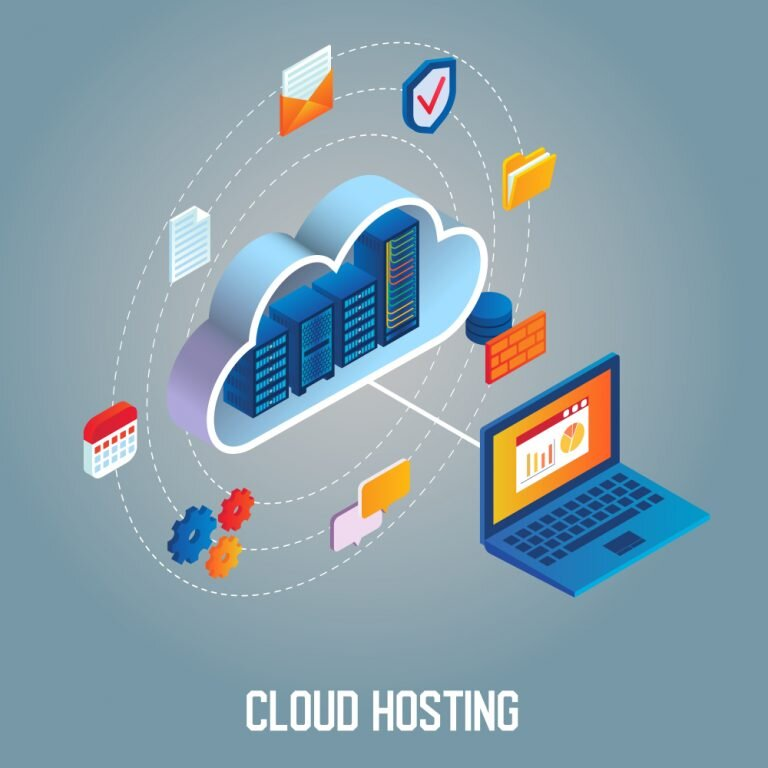
Welcome to the digital age where technology plays a crucial role in our everyday lives. As businesses continue to adapt and evolve in this fast-paced environment, cybersecurity has become a top priority. Cloud managed security solutions offer a powerful way to enhance security measures and protect valuable data from potential threats. With advanced features and capabilities, these solutions provide a proactive approach to cybersecurity, ensuring that businesses can operate safely and securely in the digital landscape.
Importance of Cloud Security
Cloud security is becoming increasingly important as more organizations move their data and applications to the cloud. With the rise of remote work and the growing use of cloud services, ensuring the security of data and systems in the cloud has never been more critical.
One of the main reasons why cloud security is so crucial is the sheer volume of data that is stored in the cloud. From financial records to personal information, sensitive data is being stored and processed in the cloud on a daily basis. If this data were to be compromised or breached, it could have serious consequences for both individuals and businesses.
Another reason why cloud security is essential is the growing number of cyber threats that are targeting cloud environments. Cybercriminals are constantly finding new ways to exploit vulnerabilities in cloud infrastructure and applications, putting organizations at risk of data breaches, theft, and downtime. Without robust security measures in place, organizations are vulnerable to attacks that could result in significant financial and reputational damage.
Furthermore, compliance requirements are another driving force behind the importance of cloud security. Many industries have strict regulations governing the protection of sensitive data, such as GDPR, HIPAA, and PCI DSS. Failure to comply with these regulations can result in hefty fines and legal consequences. By implementing strong security controls in the cloud, organizations can ensure that they are meeting their compliance obligations and protecting their data from potential breaches.
In addition to these external threats, internal threats also pose a significant risk to cloud security. Insider threats, whether intentional or accidental, can result in data leaks and breaches that can be just as damaging as external attacks. By implementing access controls, monitoring user activity, and educating employees on best security practices, organizations can mitigate the risk of internal threats and protect their data in the cloud.
Overall, the importance of cloud security cannot be overstated. With the increasing reliance on cloud services and the growing sophistication of cyber threats, organizations must prioritize the security of their cloud environments to protect their data, their systems, and their reputation. By investing in robust security measures and staying proactive in their approach to cloud security, organizations can ensure that they are safeguarding their sensitive information and mitigating the risks associated with operating in the cloud.
Benefits of Cloud Managed Security
Cloud Managed Security offers various benefits for businesses looking to enhance their security measures in the digital age. Here are some of the key advantages of implementing Cloud Managed Security:
1. Enhanced Security
One of the main benefits of Cloud Managed Security is the enhanced level of protection it offers for your organization’s data and network. By utilizing cloud-based security solutions, you can benefit from advanced threat detection capabilities, real-time monitoring, and automated response mechanisms. This proactive approach to security helps to mitigate risks and prevent potential cyber attacks before they can cause harm to your systems.
2. Scalability and Flexibility
Cloud Managed Security allows businesses to easily scale their security resources up or down based on their needs. Whether your organization is experiencing growth and needs to expand its security infrastructure, or you are looking to reduce costs during quieter periods, the flexibility of cloud-based security solutions can easily accommodate these changes. This scalability is particularly beneficial for businesses with fluctuating security needs or those looking to rapidly deploy security measures as their operations evolve.
Furthermore, Cloud Managed Security offers flexibility in terms of deployment options. Whether you prefer a public, private, or hybrid cloud environment, there are various solutions available to meet your specific requirements. This flexibility enables businesses to choose the most suitable deployment model for their unique security needs, ensuring optimal protection for their data and systems.
3. Cost Savings
Another significant benefit of Cloud Managed Security is the potential cost savings it can offer for businesses. By utilizing cloud-based security solutions, organizations can eliminate the need for expensive on-premises infrastructure and maintenance costs associated with traditional security measures. Additionally, the pay-as-you-go pricing model of cloud services allows businesses to pay only for the resources they use, providing cost-effective security solutions that can easily scale with their needs.
Overall, Cloud Managed Security provides businesses with enhanced security, scalability, flexibility, and cost savings advantages that can help protect their data and networks in an increasingly digital world. By leveraging the benefits of cloud-based security solutions, organizations can strengthen their security posture and effectively mitigate cyber risks to safeguard their operations and reputation.
Types of Threats Addressed by Cloud Security
Cloud managed security services address a wide range of threats that can potentially compromise the integrity and security of an organization’s data and systems. These threats can come in many different forms and can originate from various sources. Below are the most common types of threats that are effectively addressed by cloud security solutions:
1. Malware: Malware, short for malicious software, is a type of software designed to gain unauthorized access to a computer system or network, disrupt operations, and steal sensitive information. Common forms of malware include viruses, worms, Trojans, spyware, and ransomware. Cloud security services use advanced threat detection and prevention techniques to detect and block malware before it can infect systems and cause harm.
2. Phishing attacks: Phishing attacks are a type of social engineering attack in which cybercriminals trick individuals into divulging sensitive information such as usernames, passwords, and credit card numbers. These attacks often involve deceptive emails, websites, or text messages that appear to be from legitimate sources. Cloud security solutions help organizations identify and block phishing attempts through email filtering, web filtering, and malicious link detection.
3. Insider threats: While external threats often receive more attention, insider threats pose a significant risk to organizations as well. Insider threats can come from current or former employees, contractors, or business partners who misuse their access privileges to steal data, sabotage systems, or introduce malware. Cloud managed security services help organizations monitor user activity, detect unusual behavior patterns, and enforce least privilege access policies to mitigate the risk of insider threats. By analyzing user behavior and identifying potential anomalies, cloud security solutions can proactively detect and prevent insider threats before they cause significant damage.
4. Distributed denial of service (DDoS) attacks: DDoS attacks are a type of cyberattack in which multiple compromised systems flood a targeted system with a high volume of traffic, causing it to become overwhelmed and unavailable to legitimate users. Cloud security services use traffic monitoring and filtering techniques to detect and mitigate DDoS attacks in real-time, helping organizations maintain the availability and performance of their systems and services.
5. Data breaches: Data breaches occur when unauthorized individuals gain access to sensitive data such as customer information, intellectual property, or financial records. Cloud security solutions help organizations protect their data through encryption, access control, and data loss prevention mechanisms. By implementing robust security measures and monitoring data access and usage, cloud security services can help prevent data breaches and minimize the impact of any potential breaches that do occur.
Overall, cloud managed security services play a crucial role in helping organizations defend against a wide range of cyber threats. By addressing common types of threats such as malware, phishing attacks, insider threats, DDoS attacks, and data breaches, cloud security solutions help organizations strengthen their security posture, protect their sensitive data, and safeguard their systems and networks from malicious actors.
Key Features of Cloud Managed Security Solutions
Cloud Managed Security Solutions offer a range of key features that make them an attractive option for businesses looking to enhance their security posture. Here are some of the key features that set these solutions apart:
1. Centralized Management: One of the main advantages of cloud managed security solutions is the ability to centrally manage security policies and configurations across all devices and locations. This allows organizations to have a unified view of their security posture and ensure consistent protection across the entire network.
2. Automated Threat Detection and Response: Cloud managed security solutions use advanced threat detection technologies such as machine learning and AI to automatically identify and respond to security threats in real-time. This allows organizations to quickly mitigate risks and minimize the impact of cyber attacks.
3. Scalability: Cloud managed security solutions are highly scalable, making them suitable for businesses of all sizes. Whether you are a small startup or a large enterprise, you can easily scale your security resources up or down based on your needs without the need for expensive hardware upgrades.
4. Integrated Security Tools: Cloud managed security solutions often come bundled with a variety of security tools and features to provide comprehensive protection. This may include features such as firewall management, VPN services, endpoint protection, and security analytics. By having all these tools integrated into a single platform, organizations can streamline their security operations and reduce complexity.
Additionally, cloud managed security solutions typically offer regular updates and patches to ensure that your security defenses are always up to date with the latest threats and vulnerabilities. This proactive approach to security allows organizations to stay ahead of cyber threats and protect their critical assets more effectively.
In conclusion, the key features of cloud managed security solutions make them an essential component of a modern cybersecurity strategy. From centralized management to automated threat detection and integrated security tools, these solutions offer businesses the protection they need to safeguard their data and maintain a strong security posture in an increasingly complex threat landscape.
Considerations for Choosing a Cloud Security Provider
When it comes to selecting a cloud security provider, there are several key factors to consider in order to ensure that you are choosing the right one for your organization. Here are some important considerations to keep in mind:
1. Reputation and Credibility: It is crucial to research the reputation and credibility of any cloud security provider you are considering. Look for reviews and testimonials from current or former clients, as well as any industry certifications or awards that the provider may have received. A reputable provider will have a track record of success and a proven commitment to security.
2. Security Features: Different cloud security providers offer a range of security features and capabilities. Consider what specific security needs your organization has and ensure that the provider you choose can meet those requirements. Look for features such as encryption, multi-factor authentication, intrusion detection, and security monitoring.
3. Compliance and Regulation: Depending on the industry your organization operates in, you may be subject to specific compliance requirements and regulations. Make sure that the cloud security provider you select is compliant with relevant standards such as GDPR, HIPAA, or PCI DSS. Additionally, ensure that the provider has experience working with organizations in your industry.
4. Scalability and Flexibility: As your organization grows and evolves, your security needs will likely change as well. Choose a cloud security provider that can scale with your organization and adapt to your changing requirements. Look for providers that offer flexible pricing plans and customizable security solutions.
5. Support and Customer Service: One of the most important considerations when choosing a cloud security provider is the level of support and customer service they offer. In the event of a security breach or other issue, you will want to be able to quickly and easily get in touch with a knowledgeable support team. Look for providers that offer 24/7 support, SLAs (Service Level Agreements), and a dedicated account manager to assist you with any security concerns.
By taking these considerations into account, you can make an informed decision when selecting a cloud security provider that will best meet the needs of your organization and help protect your sensitive data and assets.
Originally posted 2025-08-08 06:37:00.